素材の新たな魅力の創出
日本の職人の知恵と技は、時代の変化とともに、
素材や意匠に工夫を重ねながら
現代に受け継がれてきました。
これらにさらに新しい現代的な発想を加えることで、
今までにない素材の魅力を創出していきます。
Bringing Forth a New Allure of Materials
Refined at every turn through
innovations in materials and design,
the wisdom and skill of Japanese
artisans have been passed down to the
present day. By infusing them with a
cutting-edge contemporary
perspective, we bring forth an
unprecedented allure in these
materials.
金銀糸箔
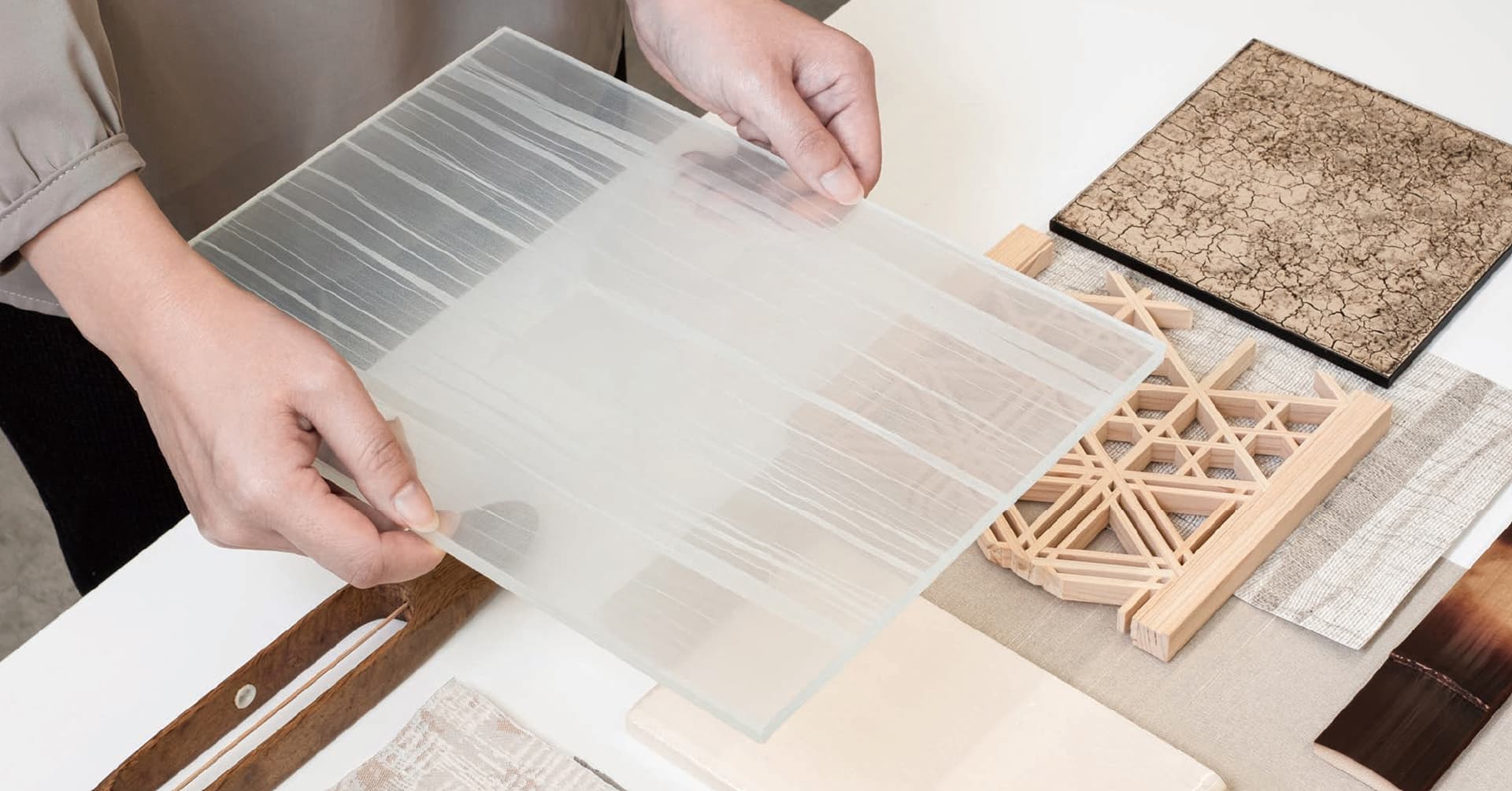
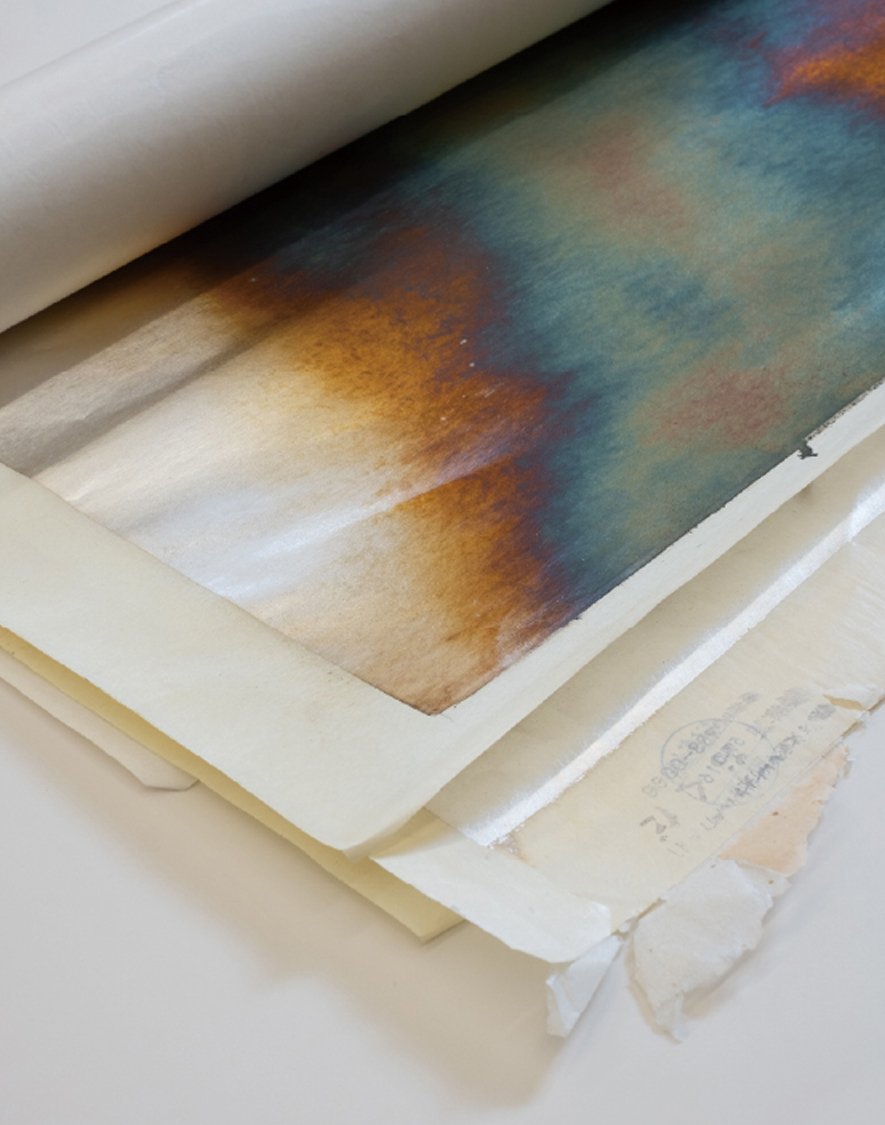
「黄金の国ジパング」として世界に知られた日本は、世界有数の産出量を誇る「銀の国」でもありました。極限まで薄く叩き延ばした箔は工芸品や建築、高級和装に使われてきました。雅やかな光沢を放つ金銀は、さまざまな形や技術で日本人の生活に取り入れられてきました。
Gold and Silver
Known to the world as “Zipangu, the Land of Gold,” Japan was also a “Land of Silver,” boasting one of the world’s largest outputs. Foil hammered to the utmost thinness has been used in crafts, architecture, and the finest of Japanese attire. Emitting an elegant luster, gold and silver have long been woven into the lives of Japanese people through a myriad of forms and techniques.
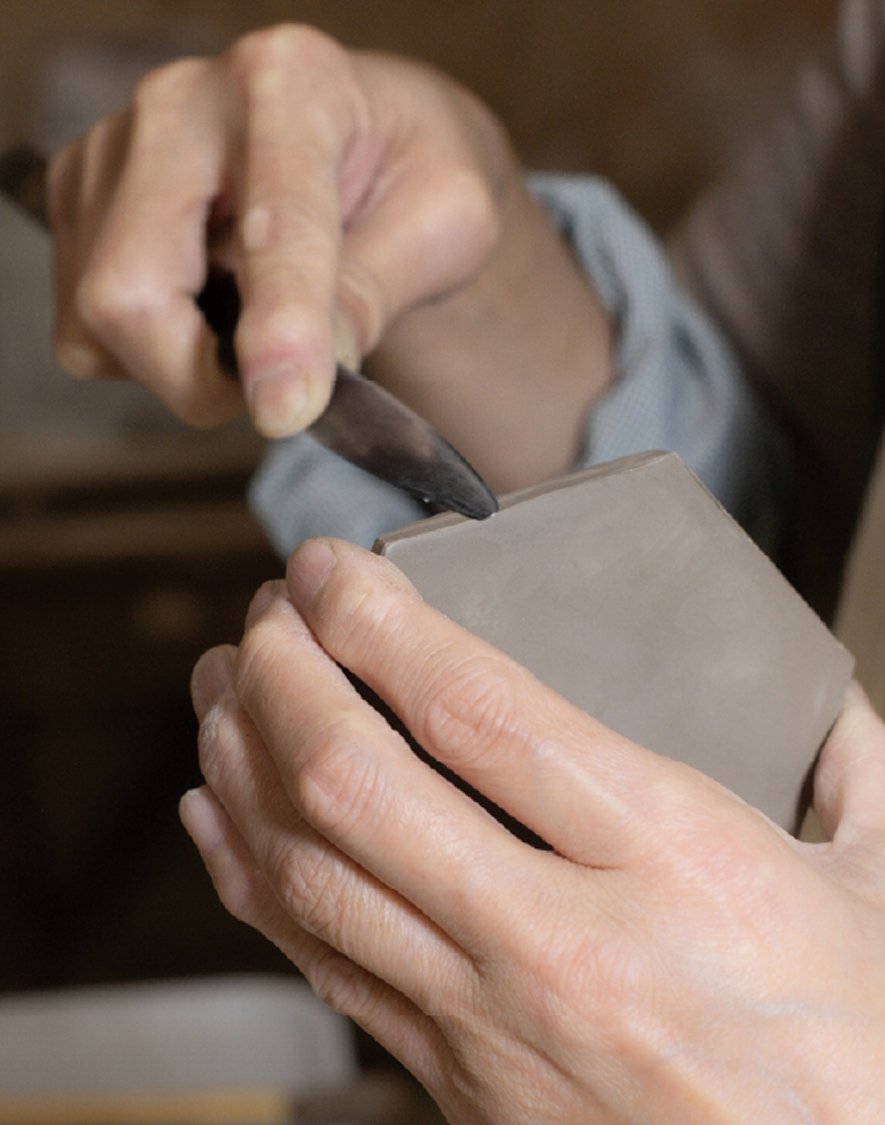
陶
原料の陶土の種類や、釉薬の有無で、手触りや風合いの表現は無限に広がります。茶の湯の精神「侘び」を最も端的に表すとされる「楽焼」や、京都の町並みを形づくる「京瓦」も、現代の空間の中で新しい表情を見せます。
Ceramics
Taking into account the variety of clays, and the use or absence of various glazes, the tactile and textural possibilities of ceramics are nearly infinite. Among many other styles, we work with Raku ware, a direct expression of the tea ceremony spirit of wabi, and Kyō-kawara, distinctive roof tiles that shape the streetscape of Kyoto. Both of these materials bring forth new forms of expression when they are used in contemporary spaces.
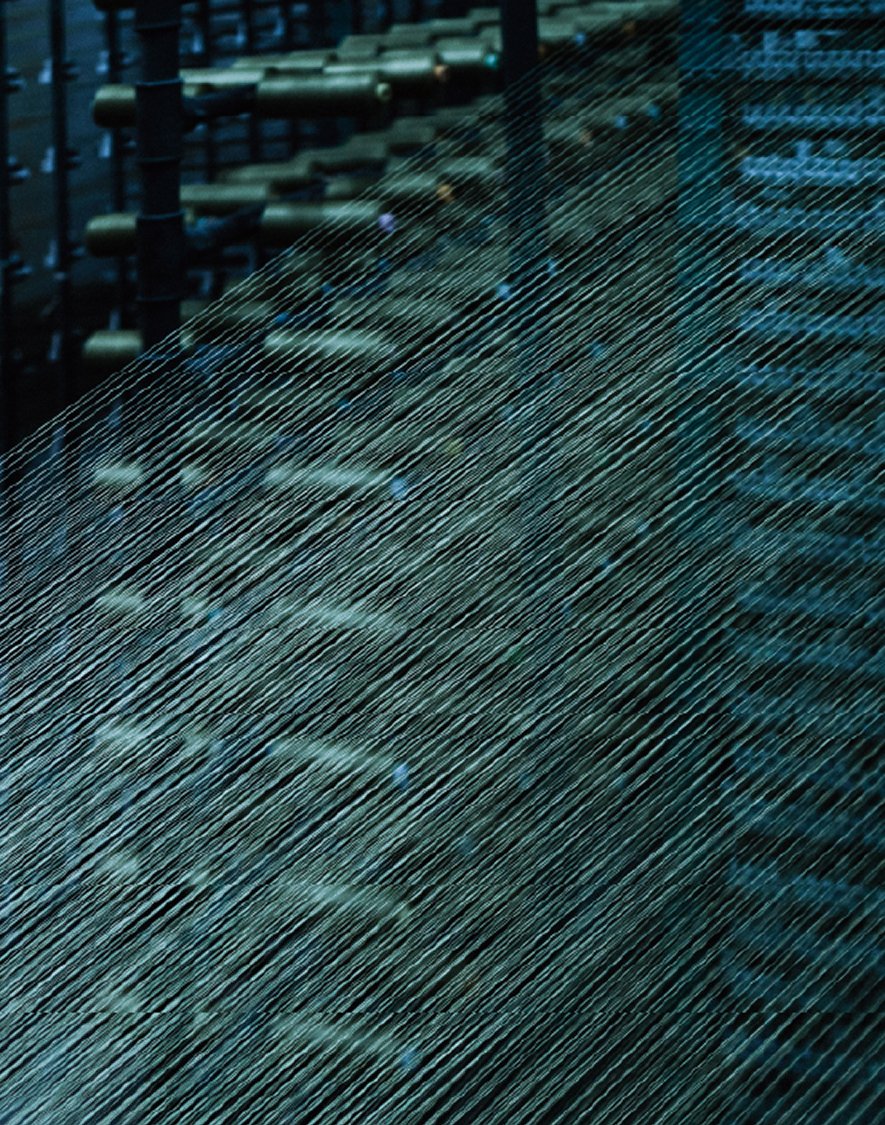
染織
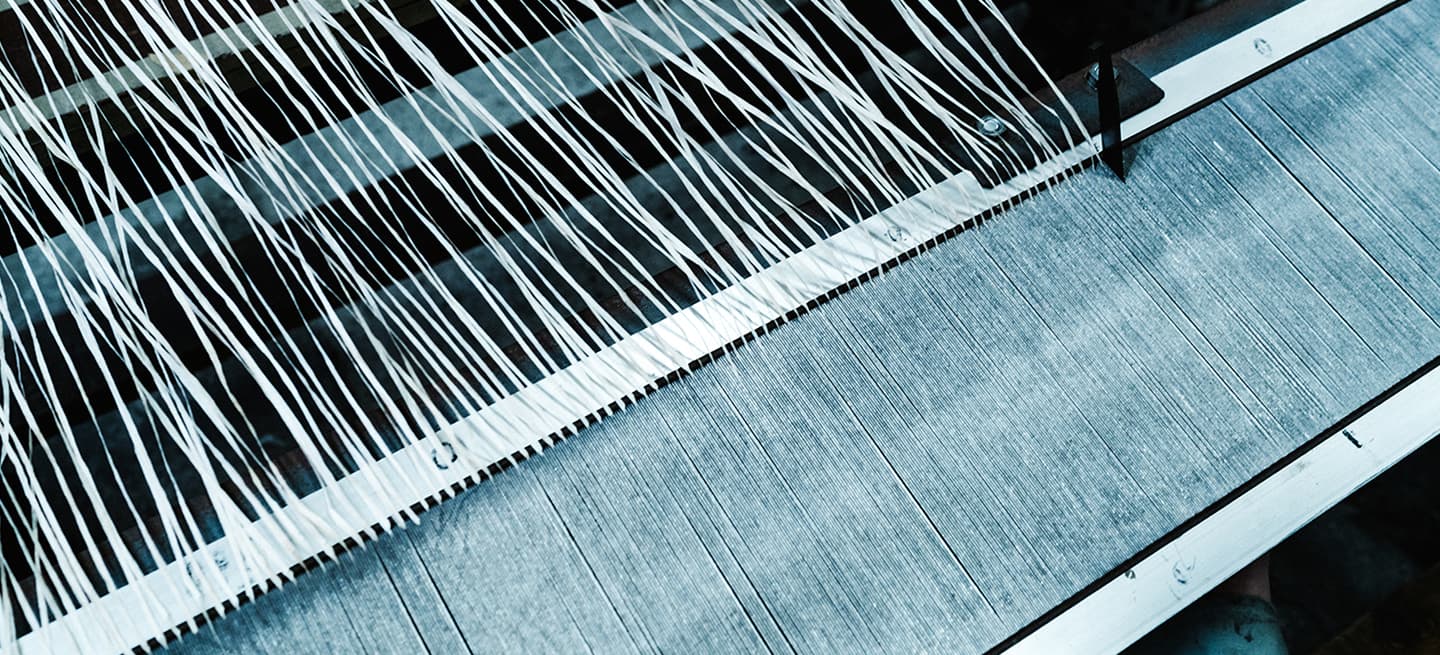
着物や装束、そして空間を彩るものとして、多様な伝統染織が生み出されてきました。素朴な草木染の平織から金銀糸を織り込んだ絢爛豪華な西陣織まで。テクスチャーから輝き、シルクやリネンの素材まで、数多くの魅力と豊かさで私たちを楽しませてくれます。
Dyeing and Weaving
From kimonos and court robes to the fabrics that adorn spaces, Japanese artisans have produced a wide array of traditional textiles. Whether in the rustic simplicity of a plain cloth tinted with natural dyes, or in the resplendent brilliance of Kyoto’s famed Nishijin-ori fabric, woven with threads of gold and silver―through textures, luster, and a dizzying array of materials, such textiles delight us with their multifarious charms and richness.
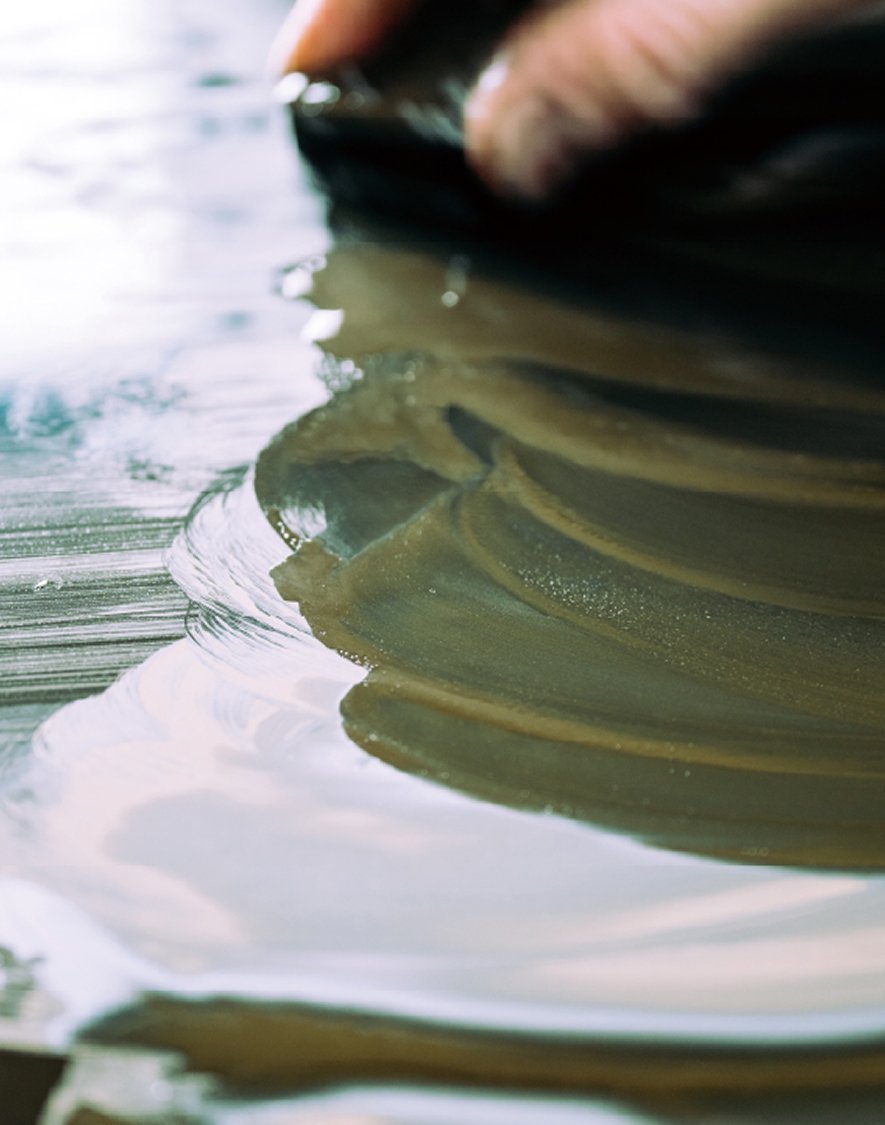
漆
時の移ろいと共に増す透明感、深まる光沢。広くアジアで用いられる漆は、日本で最高級の仕上げ素材・技術に昇華しました。非常に強固かつ、防腐・防水・抗菌等の性質をもち、公家文化の調度品類や美術品、寺社仏閣建築に多用されてきた漆は、現代においても優美な空間演出に用いられます。
Urushi Lacquer
With the passage of time, the transparency of lacquer deepens, and its luster grows ever richer. Widely used across Asia, in Japan lacquer was elevated to the level of an elegant finishing material and technique. Exceptionally durable, with preservative, waterproofing, and even antibacterial properties, lacquer was used extensively in the furnishings of aristocratic culture, fine art objects, and the architecture of temples and shrines. Today, it continues to lend its elegance to spaces of sophistication.
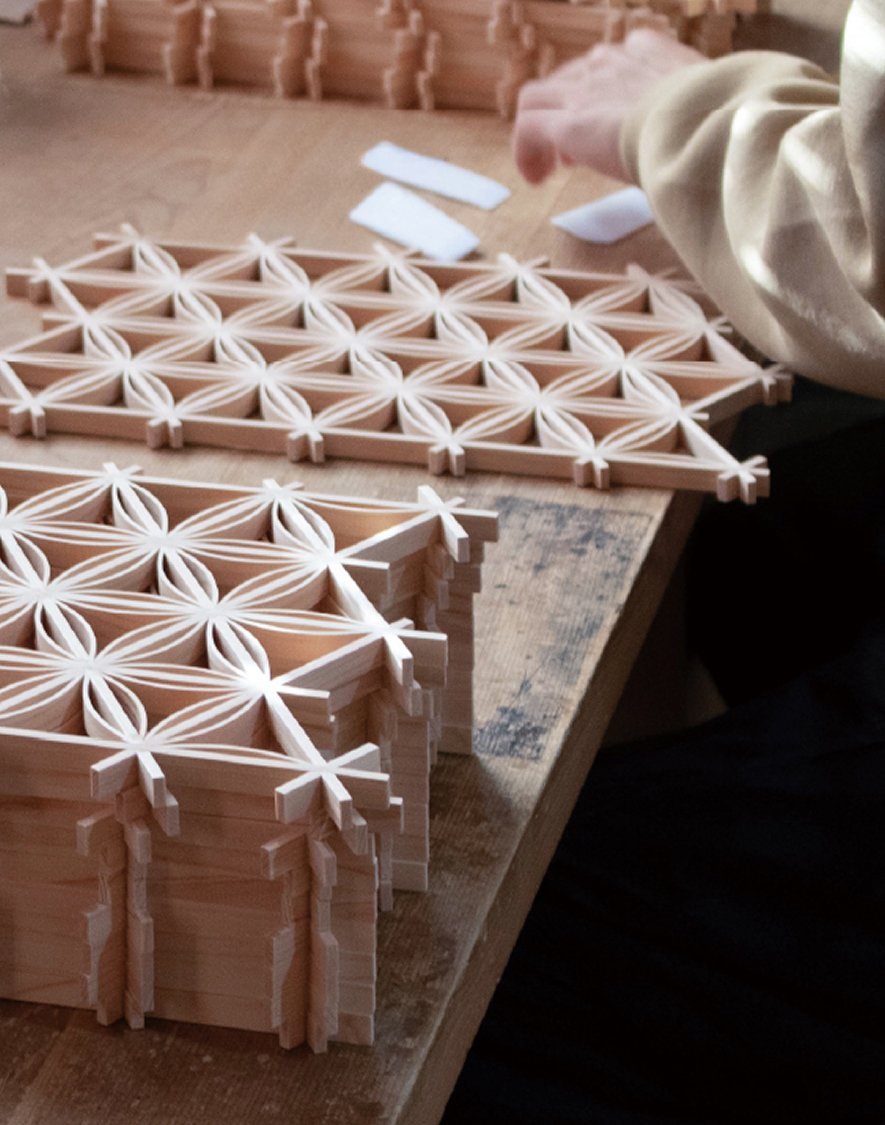
木
釘を使わず組み立てられた「指物」や、建具の装飾「組子」など、日本ならではの木工芸・木工技術は数多く存在します。色の濃淡や木目が一本一本異なる自然木に、職人の高い技術が合わさり、豊かな表情をつくり出します。
Wood
Japan is home to a great variety of distinctive woodworking techniques for architectural fittings, including the techniques of sashimono joinery and kumiko latticework―neither of which uses even a single nail. When the refined skill of artisans meets natural wood, the grain and unique gradation of color in each plank brings forth a wealth of expressive character.
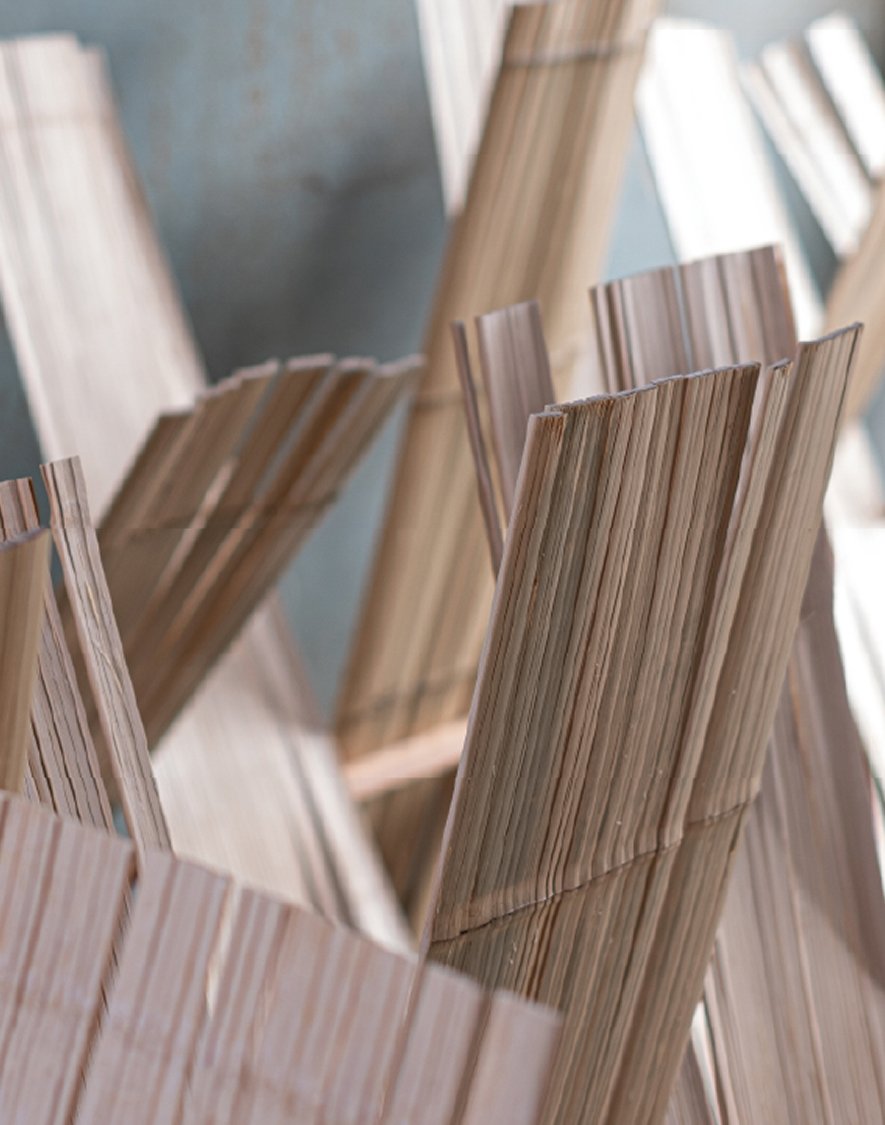
竹
成長が早く加工が容易であることから、日用道具や建材など、日本人にとって身近な素材であり続けてきた竹。まっすぐ伸びる力強さと、しなる柔軟性を兼ね備え、繊細な細工から迫力ある造作まで、多様な表現を可能にします。
Bamboo
Growing quickly and easy to work over, bamboo has long been a familiar material to Japanese people; it is used in everything from daily utensils to building materials. Combining the strength to grow straight and true with a supple malleability, it allows for a wide range of expression, from intricate work to bolder, more powerful forms.
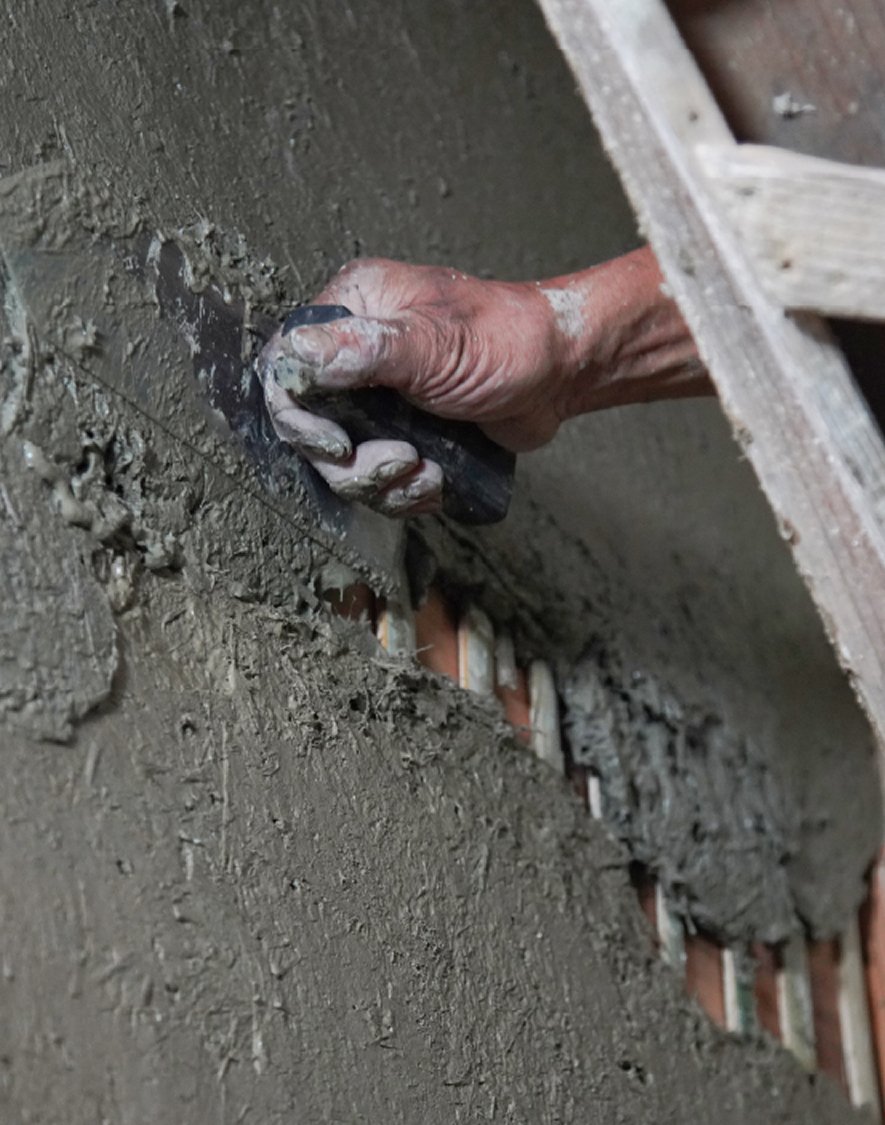
左官
土や砂、石灰、藁など自然素材を巧みに調合し、職人が鏝で塗り上げる左官仕上げがもたらす、独特の質感と空気。調湿性や断熱性、防火性など、自然素材ならではの環境性能と、美術的な意匠性を兼ね備える点で注目されています。
Plasterwork
Finished by the skilled hand of a plasterer with a trowel, a plaster finish imparts a distinctive texture and atmosphere to a space. Japanese techniques of plastering utilize a distinctive blend of natural materials, including soil, sand, lime, straw and more. Plaster marries form and function: it is widely known not just for its aesthetic qualities, but also for its environmental performance―it boasts properties of moisture regulation, thermal insulation, and fire resistance.
金属
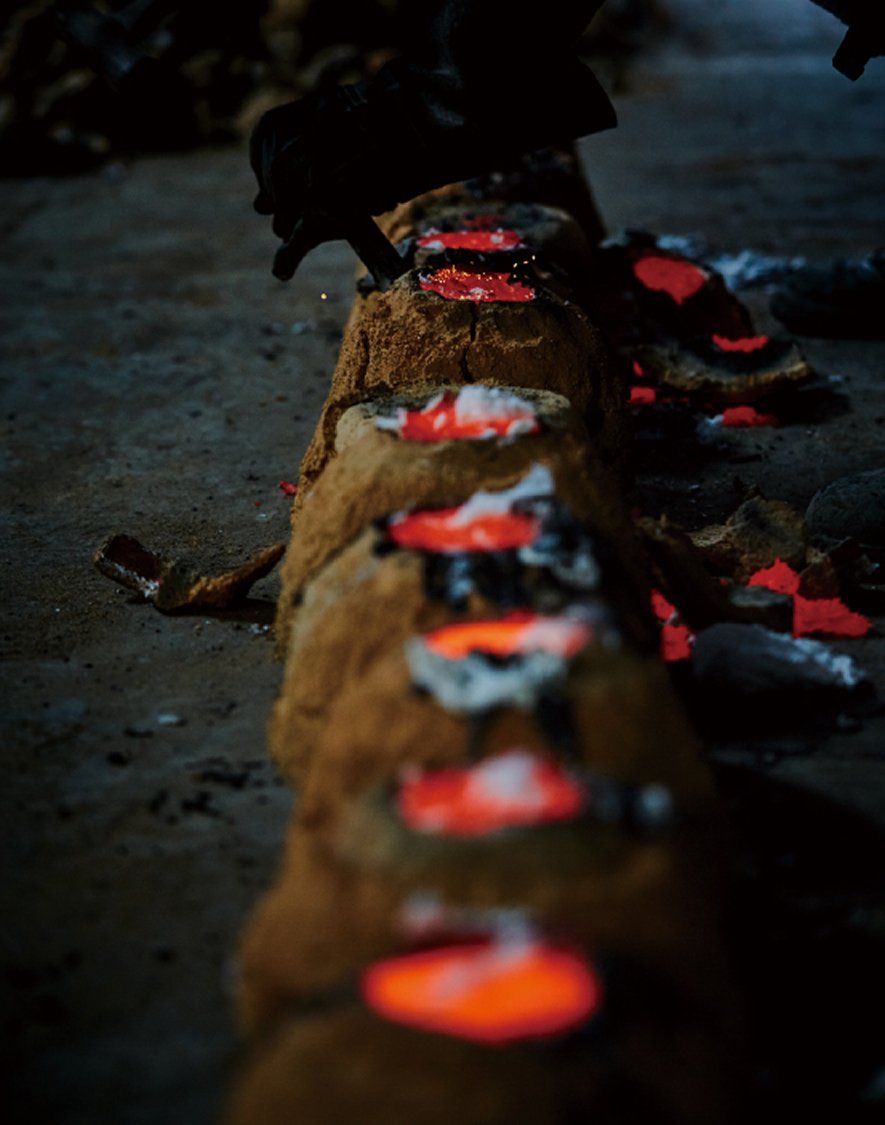
金属は、鋳造や鍛造、折り返し鍛錬、旋盤加工など、さまざまな技法によって形づくられます。磨き上げられた鏡面の凛とした輝きから、手仕事の痕跡を宿す豊かな質感まで。その表情は、職人の技と素材の個性が響き合うことで生まれます。金属は、時を重ねるほどに、その美しさを深めていきます。移ろいゆく風合いは、重ねた歳月を静かに映し出し、受け継がれるほどにその価値を深めていきます。
Metal
In Japan, metal is shaped through a variety of techniques, including casting, forging, fold-forging, lathe turning, and more. From the crisp and cool radiance of a polished mirror finish to rich textures that bear the marks of the hand, its expressions emerge out of the dialogue between the artisan’s skill and the material’s inherent character. The beauty of metal deepens with time. Its shifting, evolving texture quietly reflects the years it has accumulated, and this value develops ever further as it is passed down.